
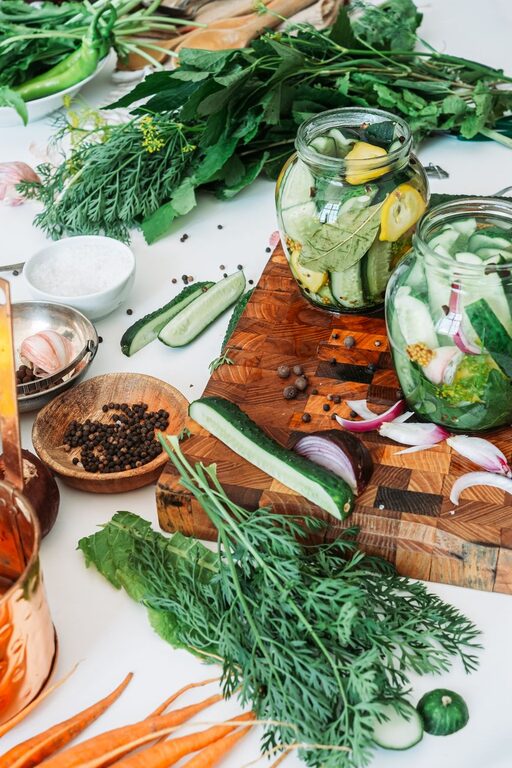
Farmers markets are full of ingredients that can inspire your next pickling project. Beyond the usual cucumbers, you may find colorful carrots, crisp radishes, green beans, summer squash, fresh herbs, and even fruit that works beautifully in a tangy brine.
Pickling is a practical way to enjoy seasonal produce while adding bright flavor and crunch to sandwiches, salads, grain bowls, burgers, and snack plates. With a little planning, a market visit can become the starting point for several small-batch recipes.
Start With a Farmers Market Plan
Before shopping, think about how you like to use pickles. Do you want a crunchy snack, a sandwich topping, a colorful side dish, or a sweet and tangy garnish? Your answer can guide the types and quantities of produce you buy.
Look for vegetables that are:
– Firm and fresh
– Free from soft spots or bruising
– Similar in size for even preparation
– Easy to clean and cut
– Naturally crisp or sturdy
It is often better to buy a few small amounts than one large quantity. This lets you create several different jars and compare flavors.
Ask the vendor how recently the produce was harvested and whether certain varieties are especially good for pickling. Smaller carrots, thin-skinned cucumbers, young green beans, and firm radishes are often easy to prepare and quick to absorb flavor.
Classic Vegetables With a Creative Twist
Cucumbers With Fresh Herbs
Cucumbers are a familiar starting point, but a few additions can make each batch taste different. Try adding dill, garlic, sliced onion, black peppercorns, or a small piece of fresh chile for extra character.
You can cut cucumbers into spears, coins, or thin sandwich slices. Spears stay sturdy and are ideal for snacking, while thin slices are convenient for burgers and sandwiches.
For a lighter flavor, use fresh dill and lemon zest. For a stronger savory profile, add garlic, mustard seeds, and a few slices of onion.
Rainbow Carrots
Farmers markets often offer carrots in orange, yellow, purple, and red shades. Pickling them together creates a colorful jar that looks as good as it tastes.
Slice carrots into sticks or thin rounds. A simple vinegar brine with salt, a little sugar, and whole spices works well. Coriander seeds, cumin seeds, ginger, or peppercorns can add warmth without overpowering the natural sweetness of the carrots.
Rainbow carrots make a bright addition to lunch plates and roasted vegetable bowls.
Radishes With a Crisp Bite
Radishes are one of the quickest vegetables to pickle. Their peppery flavor softens in a tangy brine, while their crunch remains.
Try pairing radishes with:
– Thinly sliced red onion
– Fresh cilantro
– Lime zest
– Black pepper
– A small amount of sugar
For a striking color, use red radishes or watermelon radishes. Serve them with tacos, rice dishes, sandwiches, or simple salads.
Look Beyond the Usual Pickles
Pickled Green Beans
Green beans can be pickled whole or cut into shorter pieces. Choose beans that are firm and slender, then trim the ends and pack them into a clean container.
Add garlic, dill, red pepper flakes, or a few slices of lemon. Pickled green beans are excellent on appetizer plates and can also add texture to a chopped salad.
Because green beans are long and firm, they benefit from a little extra time in the brine. Keep them refrigerated while they develop their flavor.
Summer Squash and Zucchini
Young summer squash and zucchini can make delicate, tender pickles. Look for smaller squash with smooth skin and firm centers. Slice them into thin rounds or ribbons.
These vegetables pair well with:
– Mustard seeds
– Fresh basil
– Shallots
– Garlic
– Crushed black pepper
– A mild vinegar
Avoid slicing them too thinly if you want to preserve some texture. They are best served chilled alongside grilled foods or tucked into a sandwich.
Fennel and Celery
Fennel adds a mild licorice-like flavor, while celery provides a clean, crisp bite. Both can be pickled separately or combined with carrots and onions.
Use thin fennel slices and include some of the green fronds for decoration and extra flavor. Celery can be cut into short sticks that are easy to serve as a snack.
A simple brine with white vinegar, salt, and a small amount of sugar keeps the flavors fresh and bright.
Try Pickling Fruit
Firm, slightly underripe fruit can be a surprising choice for a pickling project. The goal is to choose fruit that will hold its shape rather than turn soft in the brine.
Good options include:
– Green grapes
– Firm peaches
– Plums
– Cherries
– Apples
– Pears
Pickled fruit works especially well with cheese, roasted meats, grain salads, and hearty sandwiches. Use spices that complement the fruit, such as cinnamon, star anise, ginger, cloves, or black pepper.
For a simple fruit pickle, balance vinegar with water, salt, and a modest amount of sugar. Taste the brine before adding the fruit, adjusting it so the flavor is tangy but not harsh.
Build Flavor With Brine Choices
The brine is what gives pickles their overall personality. White vinegar creates a clean, sharp flavor, while apple cider vinegar adds mild fruitiness. Rice vinegar is softer and works well with vegetables and herbs.
You can customize a basic refrigerator pickle brine with:
– Fresh or dried herbs
– Garlic
– Onion
– Whole spices
– Citrus zest
– A small amount of sugar
– Sliced chile peppers
For a balanced result, taste the brine before pouring it over the produce. It should be pleasantly tangy and seasoned, but not so salty or acidic that it overwhelms the main ingredient.
Simple Refrigerator Pickling Method
Refrigerator pickles are a convenient choice for small batches. They do not require traditional canning equipment and are designed to be stored cold.
- Wash the produce thoroughly and trim away stems, leaves, or damaged areas.
- Cut the vegetables or fruit into evenly sized pieces.
- Place the produce in a clean, heat-safe container.
- Prepare a vinegar-based brine according to a reliable recipe.
- Pour the brine over the produce, making sure the pieces are covered.
- Let the container cool, then cover it and refrigerate.
- Taste the pickles after a day or two and continue chilling if you want a stronger flavor.
Use clean utensils when serving, and keep the pickles refrigerated. Follow a tested recipe if you plan to make shelf-stable canned pickles, since acidity, processing time, and ingredient proportions are important for safe storage.
Make Each Jar Your Own
One of the best parts of farmers market pickling is experimenting in small batches. Divide a basic brine among several containers and add different flavor combinations to each one.
For example:
– Carrots with ginger and coriander
– Cucumbers with dill and garlic
– Radishes with lime and cilantro
– Green beans with mustard seeds and chile
– Peaches with ginger and black pepper
Label each jar with the ingredients and date. This makes it easier to remember which combinations you enjoyed and which ones you would change next time.
Pickling turns a seasonal shopping trip into an ongoing kitchen project. By choosing fresh produce, exploring unexpected combinations, and keeping the process simple, you can create jars that add color, crunch, and personality to everyday meals.