
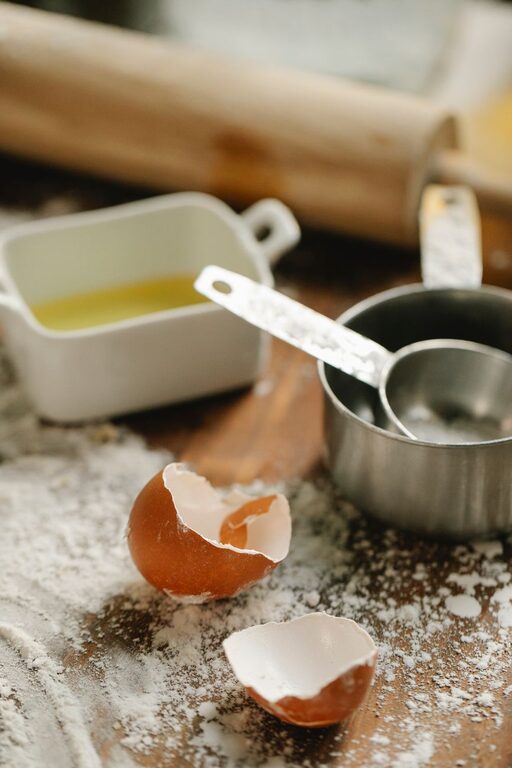
Home baking has always combined simple ingredients with practical tools. Today, many bakers are looking beyond modern appliances and rediscovering the charm of vintage kitchen equipment. Hand-crank mixers, wooden rolling pins, metal measuring cups, and glass storage jars are making their way back into kitchens.
These tools are more than decorative pieces. Many offer reliable performance, reduce dependence on electricity, and make baking feel more hands-on. They also connect today’s cooks with familiar methods used by earlier generations.
Why Vintage Tools Are Returning
The renewed interest in vintage kitchen tools is part of a broader appreciation for slower, more thoughtful cooking. Home bakers are spending more time preparing food from scratch and choosing equipment that feels durable and personal.
Several qualities make older-style tools appealing:
– Simple design: Many have fewer parts and controls.
– Durability: Metal, wood, and thick glass can last for years with proper care.
– Hands-on use: Manual tools help bakers feel more connected to the process.
– Timeless appearance: Classic shapes and finishes add character to a kitchen.
– Practical storage: Many compact tools fit easily in a drawer or cabinet.
Vintage-inspired equipment is also widely available. Some shoppers find original pieces at antique stores, estate sales, or secondhand markets. Others choose new products designed to resemble older tools while offering updated materials and easier maintenance.
Hand-Crank Egg Beaters and Mixers
Before electric hand mixers became common, many kitchens relied on rotary egg beaters. These tools use a simple hand crank to turn two beaters, making them useful for blending eggs, cream, and light batters.
A hand-crank beater works especially well for:
– Whisking eggs for cakes or custards
– Mixing pancake batter
– Beating cream in small batches
– Combining soft butter and sugar
– Preparing simple frostings
Using one takes a little longer than using an electric mixer, but that extra time can be part of the appeal. Bakers can watch the texture change and stop as soon as the mixture reaches the right consistency.
When choosing an older beater, look for smooth movement, secure handles, and beaters that are free from heavy rust. If the tool has wooden parts, check for cracks or splinters. New vintage-style versions can provide a similar experience with more consistent construction.
Wooden Rolling Pins
Wooden rolling pins remain a favorite among pastry makers because they are comfortable to hold and easy to control. Traditional styles range from long, handle-free pins to handled versions with rotating centers.
A simple rolling pin is useful for:
– Pie crusts
– Cookies
– Biscuits
– Crackers
– Homemade pasta
– Flatbreads
Many bakers prefer wooden pins because they offer a natural feel and do not become as cold as some metal surfaces. They also provide enough weight to flatten dough without requiring excessive pressure.
To care for a wooden rolling pin, wipe it with a damp cloth after use and dry it promptly. Avoid soaking it or placing it in the dishwasher, as excess water can cause the wood to swell or crack. A food-safe mineral oil applied occasionally can help maintain the surface.
Metal Measuring Cups and Spoons
Vintage-style measuring cups and spoons often feature sturdy metal construction and clear, traditional proportions. Unlike thin plastic sets, metal versions can feel balanced and stable when scooping flour, sugar, or spices.
Standard measuring sets are useful for keeping recipes consistent. A typical set may include:
– One-quarter cup
– One-third cup
– One-half cup
– One cup
– One-quarter teaspoon
– One-half teaspoon
– One teaspoon
– One tablespoon
For dry ingredients, filling the cup and leveling it with the back of a knife helps improve accuracy. Small measuring spoons are especially helpful when working with baking powder, baking soda, salt, and spices.
Some vintage sets have engraved markings, which are less likely to fade than printed labels. However, older pieces should be checked for corrosion, loose handles, or coatings that are peeling. Food-safe, well-maintained materials are the best choice for regular use.
Pastry Blenders and Dough Cutters
A pastry blender is a compact tool with several curved metal blades attached to a handle. It is designed to cut cold butter into flour when making pie dough, biscuits, and crumb toppings.
This tool gives bakers control over the size of the butter pieces. Larger pieces can create a flakier texture, while smaller pieces produce a more uniform dough. The goal is usually to work quickly so the butter stays cool.
A dough cutter, sometimes called a bench scraper, is another classic tool that has become popular again. It can divide dough, lift sticky pieces from a work surface, and gather chopped ingredients. Some models include measurement marks, adding another useful feature.
These tools are inexpensive, easy to store, and useful well beyond baking. Their simple construction also makes them a practical choice for beginners.
Glass Mixing Bowls and Storage Jars
Glass bowls and jars bring a clean, classic look to the kitchen. Clear glass allows bakers to see the texture and color of ingredients while mixing or storing them.
A set of glass bowls can be used for:
– Preparing cake and cookie batter
– Separating ingredients before baking
– Proofing dough
– Holding melted butter or chocolate
– Storing leftover ingredients
Glass storage jars are especially useful for flour, sugar, oats, nuts, and dried fruit. Labeling the jars helps keep a pantry organized and makes ingredients easy to find.
Because glass can break, place it on a stable surface and inspect it for chips or cracks before use. Heat-resistant glass should be used when working with warm ingredients, and sudden temperature changes should be avoided.
Sifters and Flour Sieves
Traditional flour sifters are returning to baking routines because they help break up lumps and evenly distribute dry ingredients. Some older models use a hand-operated lever, while others are simple mesh sieves with a handle.
Sifting is useful when preparing:
– Sponge cakes
– Layer cakes
– Powdered sugar toppings
– Cocoa-based desserts
– Light pastry doughs
A sieve can also be used to dust finished baked goods with powdered sugar or cocoa. Although many recipes no longer require sifting, the process can still improve the texture of delicate mixtures and make dry ingredients easier to combine.
How to Add Vintage Tools to a Modern Kitchen
You do not need to replace every appliance to enjoy vintage-style baking. Start with one or two tools that match the recipes you make most often.
Consider these tips:
- **Choose useful pieces first.** A rolling pin or pastry blender may see more use than a decorative item.
- **Inspect secondhand tools carefully.** Look for cracks, rust, sharp edges, and loose parts.
- **Clean tools thoroughly.** Follow care instructions for wood, metal, glass, and enamel.
- **Combine old and new methods.** A vintage whisk can work alongside a modern oven or food scale.
- **Store tools where they are easy to reach.** Visible, accessible equipment is more likely to become part of your routine.
Vintage kitchen tools offer a simple way to make home baking more tactile and enjoyable. Their lasting designs, practical features, and familiar appearance can bring warmth to everyday recipes. Whether you find an original piece or choose a modern reproduction, these classic tools prove that good baking does not always require complicated equipment.