
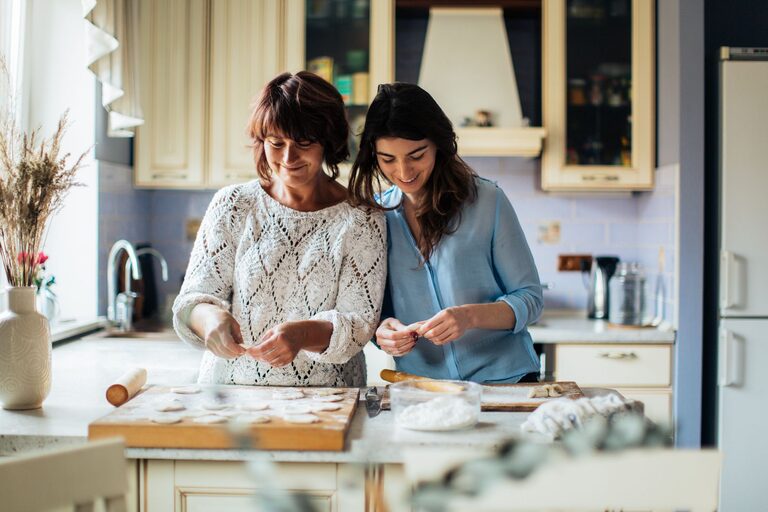
Learning to cook dishes from around the world can be an enjoyable way to try new flavors, meet people, and bring fresh energy to familiar mealtimes. For women 65 and older, cooking classes focused on global comfort foods offer a welcoming blend of practical skills, cultural discovery, and social connection.
These classes do not need to be complicated or intimidating. The best programs move at a comfortable pace, explain each step clearly, and focus on recipes that are satisfying, adaptable, and easy to recreate at home.
What Are Global Comfort Foods?
Comfort foods are dishes associated with warmth, home, family, and fond memories. They often feature familiar ingredients, simple preparation methods, and flavors that feel welcoming. Although comfort food means something different to everyone, many dishes share a few qualities:
– They are filling and satisfying
– They use accessible ingredients
– They can be prepared in a relaxed, home-style manner
– They often have a story or cultural tradition behind them
– They can be adjusted to suit personal tastes
Global comfort foods might include Italian vegetable soup, Japanese rice bowls, Mexican enchiladas, Indian lentil dishes, Moroccan tagines, Greek baked vegetables, or Polish pierogi. A cooking class can introduce these foods while explaining the traditions and techniques that make each dish special.
Why Cooking Classes Can Be a Great Fit
A well-designed class offers more than a recipe. It creates an opportunity to learn, share, and enjoy the process without having to plan an entire meal alone.
A chance to explore at a comfortable pace
Some cooking shows and online recipes move quickly or assume that everyone already understands basic techniques. In a classroom, participants can ask questions, watch demonstrations, and practice each step with guidance.
Instructors can explain unfamiliar ingredients, show how to use kitchen tools, and offer simple alternatives when a particular item is difficult to find. This can make international recipes feel approachable rather than overwhelming.
Social connection through shared meals
Cooking naturally encourages conversation. Participants may work in pairs, compare family food traditions, or sit together to enjoy what they have prepared.
For many people, the shared meal at the end of class is just as important as the cooking itself. It provides time to talk, exchange stories, and form friendships around a common interest.
Confidence in the kitchen
Trying a new cuisine can help participants build practical skills. A class might cover how to balance spices, prepare a simple sauce, fold dumplings, roast vegetables, or make dough from scratch.
Each small success can make future cooking feel easier. Participants may also discover that techniques used in one cuisine can be applied to many other recipes.
Popular Class Themes to Explore
Cooking schools, community centers, libraries, and senior learning programs may offer a variety of international themes. When choosing a class, consider the foods and techniques that sound most appealing.
Mediterranean comfort foods
Mediterranean-style classes often include simple vegetable dishes, grain salads, baked fish, bean soups, flatbreads, and pasta. These recipes can introduce ingredients such as olive oil, herbs, tomatoes, chickpeas, eggplant, and feta cheese.
A class might focus on making Greek spanakopita, Italian minestrone, or a rustic Spanish tortilla. These dishes are often flexible, making it easy to use seasonal produce or ingredients already in the pantry.
East Asian favorites
Classes featuring Japanese, Korean, Chinese, Thai, or Vietnamese comfort foods may teach participants how to prepare rice dishes, noodle soups, dumplings, stir-fries, or savory pancakes.
These lessons are a good opportunity to learn about ingredients such as soy sauce, rice vinegar, sesame oil, ginger, scallions, and different types of noodles. Instructors can explain how to use these ingredients in small amounts to create layers of flavor.
Latin American home cooking
Latin American cooking classes may include dishes from Mexico, Peru, Colombia, Brazil, or the Caribbean. Recipes could feature corn, beans, rice, peppers, plantains, chicken, or slow-cooked meats.
Participants might learn to prepare tamales, empanadas, enchiladas, black bean stew, or a simple arroz con pollo. These classes often highlight the importance of family gatherings and shared preparation.
Middle Eastern and North African dishes
This category may include hummus, lentil soup, couscous, stuffed vegetables, flatbreads, and slow-cooked stews. Common seasonings include cumin, cinnamon, coriander, mint, parsley, and paprika.
These foods can be especially enjoyable for home cooks who like aromatic dishes but prefer recipes that rely on basic cooking methods such as roasting, simmering, and baking.
What to Look for in a Class
Not every cooking class is designed in the same way. Before signing up, ask a few practical questions:
– Is the class beginner-friendly?
– How long is each session?
– Will participants cook individually or in small groups?
– Are recipes provided to take home?
– Does the instructor demonstrate each technique?
– Is there enough seating and workspace?
– Are ingredients and equipment included?
– Can the class accommodate food preferences or ingredient substitutions?
– Is the kitchen easy to access?
A class that offers clear instructions, printed recipes, and a relaxed schedule may be more enjoyable than one built around speed or advanced techniques.
It can also help to check whether the class is hands-on or demonstration-based. Some people prefer preparing every step, while others enjoy watching the instructor and sampling the finished dishes.
How to Make the Most of the Experience
A little preparation can make the class more comfortable and rewarding.
Bring a notebook
Write down ingredient substitutions, cooking times, and tips that are not included in the printed recipe. You may also want to record the name of a spice blend or sauce to look for later.
Ask questions
There is no need to feel embarrassed about asking for clarification. Good instructors expect questions and can often explain a technique in more than one way.
Share your own food memories
Cooking is a two-way learning experience. Your family recipes, holiday traditions, and favorite ingredients may add valuable context to the class conversation.
Start with one recipe at home
After the class, choose one dish to prepare in your own kitchen. Repeating a recipe soon after learning it can help reinforce new techniques and build confidence.
Invite someone to join you
A friend, sister, neighbor, or grandchild may enjoy taking the class together. Sharing the experience can make it easier to stay motivated and create a new tradition.
Bringing Global Comfort Foods Home
The goal of a cooking class is not to recreate every traditional dish perfectly. It is to gain ideas and techniques that fit your own kitchen and lifestyle.
You might use the filling from a dumpling recipe in a simple vegetable bowl, add Moroccan-inspired spices to a familiar soup, or serve a Greek-style dip with everyday roasted vegetables. Small changes can turn an ordinary meal into something new while keeping the comfort of familiar foods.
Global cooking classes also encourage curiosity. Each recipe offers a chance to learn about regional ingredients, family customs, and the ways people gather around food. For women 65 and older, that combination of learning, creativity, and community can make every class a memorable experience.
Whether you are an experienced home cook or just beginning, a class centered on global comfort foods can open the door to new meals and lasting connections.