
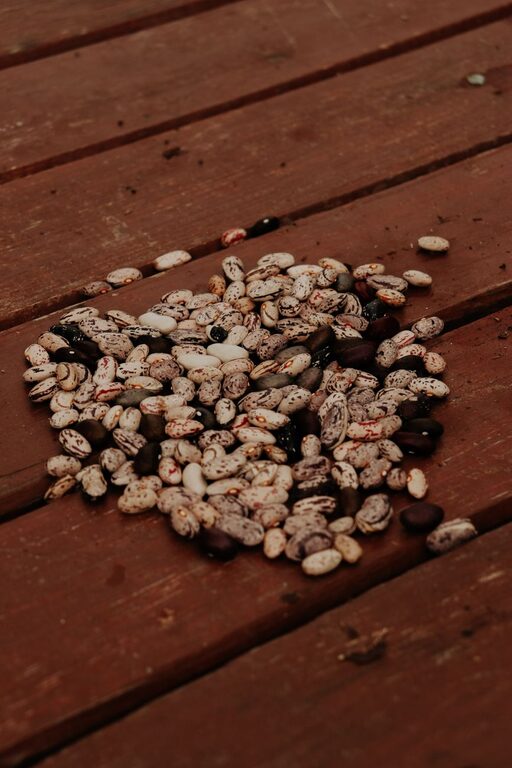
Heritage beans are making their way into home kitchens for a simple reason: they offer more variety than the standard beans found on many supermarket shelves. With unusual colors, distinctive shapes, rich flavors, and strong connections to regional food traditions, these beans can make everyday cooking feel more interesting.
From creamy white beans to speckled cranberry beans and deep red varieties, heritage beans are both practical pantry staples and a window into food history. They work well in soups, salads, casseroles, dips, and many other familiar dishes.
What Are Heritage Beans?
The term “heritage bean” generally refers to a bean variety that has been grown and passed down through families, communities, or regions over many years. Some are heirloom varieties, meaning their seeds have been saved and replanted with consistent characteristics. Others are traditional regional varieties that have remained important to local cooking.
Unlike many widely available commercial beans, heritage varieties often come in a broad range of sizes, colors, patterns, and textures. Examples include:
– Anasazi beans, known for their cream and burgundy coloring
– Jacob’s Cattle beans, which have a red and white speckled appearance
– Christmas lima beans, recognized for their large size and maroon markings
– Mayocoba beans, valued for their pale color and smooth texture
– Tongues of Fire beans, which feature vivid red streaks
– Soldier beans, a small white variety with a distinctive marking
The exact selection varies by region and supplier. Some varieties may be sold dried, while others are available fresh or as seed for home gardens.
Why Home Cooks Are Interested
Heritage beans offer several qualities that appeal to people who enjoy preparing food from scratch. They are familiar enough to use in everyday recipes but different enough to add character to a meal.
Distinctive Flavor and Texture
Different bean varieties can have noticeably different textures after cooking. Some become soft and creamy, while others hold their shape well. Certain beans have a mild, buttery flavor, while others taste earthy, nutty, or slightly sweet.
These differences allow cooks to choose a bean that suits a particular dish. A firm bean may work well in a chilled salad, while a creamier variety can add body to a soup or spread.
Visual Appeal
Heritage beans can bring color to a recipe even before they are cooked. Their skins may be white, black, red, yellow, brown, or patterned with several shades.
Some beans lose part of their coloring during cooking, but many retain enough of their appearance to make a dish more appealing. A simple pot of beans, grain bowl, or vegetable stew can look special with a colorful variety.
Connection to Food Traditions
Many heritage beans are tied to specific places and cooking traditions. They may have been grown by small farms, family gardeners, or regional communities for generations.
Using these beans can encourage curiosity about how ingredients travel through history and how different communities prepare similar foods. A bean-based dish can become more than a practical meal; it can also be a way to explore regional ingredients and traditional recipes.
How to Choose Heritage Beans
When buying heritage beans, look for a reliable source that provides clear information about the variety, harvest, and storage. Local farmers markets, specialty food shops, seed companies, and online bean suppliers may carry a wider selection than standard grocery stores.
Consider the following points:
– Choose beans with a clean, dry appearance.
– Avoid packages with visible moisture or signs of insects.
– Check the harvest or packing date when available.
– Buy a small amount first if you are trying an unfamiliar variety.
– Ask whether the beans are best suited for soups, salads, baking, or fresh use.
– Store dried beans in a cool, dry, dark place.
Older dried beans are not necessarily unsafe, but they may take longer to soften. If beans have been stored for a long time, plan for a longer cooking period and check their texture as they cook.
Cooking Heritage Beans at Home
Cooking methods vary slightly depending on the bean’s size, age, and type, but the basic process is straightforward.
1. Sort and Rinse
Spread the beans on a tray or plate and remove any small stones, damaged beans, or debris. Rinse them under cool water before cooking.
2. Soak if Needed
A traditional soak involves covering the beans with plenty of water and leaving them for several hours or overnight. This can help shorten cooking time and promote more even cooking.
For a quicker option, place the beans in a pot with water, bring them to a boil, simmer briefly, and then let them stand for about an hour before draining and cooking.
Some smaller or fresher dried beans may cook well without soaking. If you skip this step, simply allow extra cooking time.
3. Simmer Gently
Place the beans in a pot with fresh water. Bring the water to a gentle boil, then reduce the heat and simmer until the beans are tender.
Cooking times can range from about 45 minutes to several hours. Begin checking early, especially if the beans are small or recently harvested. Add more water as needed to keep the beans covered.
For the best texture, avoid vigorous boiling, which can cause the skins to split and the beans to cook unevenly.
4. Season Thoughtfully
Salt can be added during cooking or near the end, depending on your preferred method. Aromatics such as onion, garlic, bay leaves, celery, carrots, and herbs can add flavor to the cooking liquid.
Acidic ingredients, including tomatoes, vinegar, and citrus juice, are often best added after the beans have begun to soften. Adding them too early may slow the cooking process for some varieties.
Easy Ways to Use Heritage Beans
Once cooked, heritage beans can replace common beans in many everyday meals. Try them in:
– Vegetable soups and stews
– Grain bowls with roasted vegetables
– Chilled bean salads
– Pasta dishes
– Tacos and wraps
– Dips and spreads
– Casseroles
– Toasted bread toppings
– Simple side dishes with olive oil and herbs
A useful starting point is a warm bean salad. Toss cooked beans with chopped vegetables, fresh herbs, a little olive oil, and a mild dressing. This simple preparation allows the bean’s flavor and texture to stand out.
You can also cook a large batch and divide it into meal-sized portions. Refrigerate what you plan to use soon and freeze the rest in airtight containers. Label each container with the bean variety and date so it is easy to identify later.
Growing Heritage Beans
Gardeners can grow some heritage beans at home, provided the variety suits the local climate and growing season. Beans generally need warm soil, regular sunlight, and support if they are climbing types.
Bush beans grow in a compact form, while pole beans climb trellises or other supports. Seed packets usually explain the plant’s growth habit, spacing, and expected harvest time.
Saving seeds from a successful crop can help gardeners continue growing a favorite variety. Before saving, learn whether the beans are open-pollinated and follow the supplier’s guidance for harvesting and drying the seeds properly.
A Small Change With Plenty of Possibilities
Heritage beans do not require complicated recipes or specialized equipment. They can be introduced gradually, one variety at a time, using meals that are already part of a household’s routine.
Their varied flavors, textures, and appearances make familiar dishes more engaging, while their connection to regional food traditions adds another layer of interest. Whether bought from a local grower, discovered at a specialty shop, or raised in a backyard garden, heritage beans offer a practical way to bring more variety to the home kitchen.