
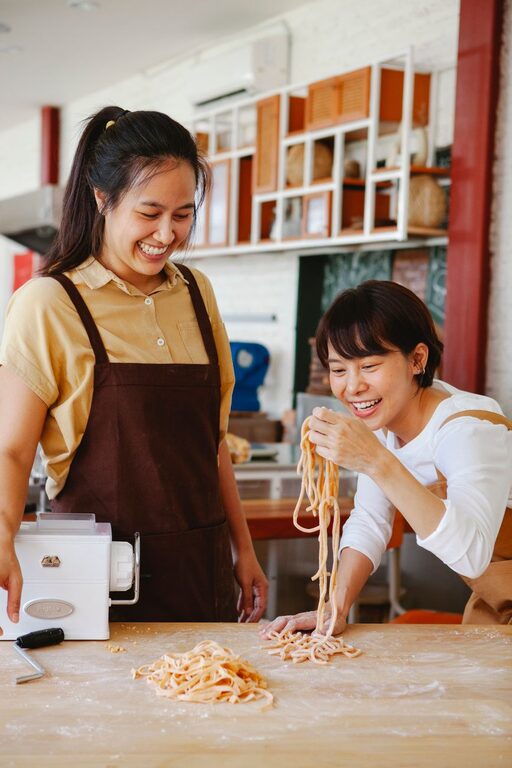
A Hands On Hobby Everyone Can Enjoy
Group hobbies are becoming more popular as people look for activities that encourage conversation, creativity, and shared experiences. Homemade pasta workshops bring all three together in a relaxed setting. Instead of simply meeting for a meal, participants learn how to make the meal themselves.
These workshops usually guide attendees through the basic steps of pasta making, from mixing and kneading dough to shaping noodles and preparing a simple sauce. The process is practical, social, and easy to adapt for different skill levels.
Whether organized by friends, coworkers, families, or community groups, a pasta workshop offers more than a cooking lesson. It creates an opportunity to slow down, try something new, and enjoy the results together.
The Appeal of Making Food Together
Cooking has always been a natural group activity. It gives people something to do with their hands while leaving plenty of room for conversation. A pasta workshop adds structure without making the event feel overly formal.
Participants may work in pairs or small teams, sharing ingredients, tools, and tips. Someone may focus on kneading dough while another prepares fillings or measures ingredients. These small tasks create a sense of cooperation and help everyone feel involved.
The shared nature of the activity also makes it easier for people to connect. Conversation tends to develop naturally while participants wait for dough to rest, compare shapes, or watch a demonstration.
A Creative Activity With Practical Results
Homemade pasta is both a craft and a useful kitchen skill. Participants can experiment with different shapes, fillings, colors, and sauces while learning techniques they can use at home.
A typical workshop may include:
– Mixing flour and eggs to create pasta dough
– Kneading the dough until it becomes smooth
– Rolling the dough by hand or with a pasta machine
– Cutting shapes such as tagliatelle, ravioli, or pappardelle
– Preparing a simple sauce
– Cooking and serving the finished pasta
Each step offers room for creativity. Participants can try different sizes and shapes, learn how texture changes during cooking, and discover how sauces pair with various types of pasta.
The finished meal provides a satisfying conclusion to the activity. Unlike some hobbies that produce an object that must be taken home or stored, a pasta workshop ends with something everyone can enjoy immediately.
Suitable for Beginners and Experienced Cooks
One reason pasta workshops appeal to a wide range of groups is that they do not require advanced cooking knowledge. Beginners can follow clear demonstrations, while more experienced cooks can explore new techniques.
Instructors often offer guidance on common challenges, such as:
– Choosing the right flour
– Adding the correct amount of liquid
– Kneading dough properly
– Preventing pasta from sticking
– Rolling dough to an even thickness
– Cooking fresh pasta without overcooking it
The hands on format makes these lessons easier to understand than written instructions alone. Participants can see each step, ask questions, and receive helpful feedback as they work.
At the same time, the activity is flexible enough for people to move at their own pace. Those who are new to cooking can focus on the basic process, while confident participants can try more detailed shapes or fillings.
A Memorable Alternative to Traditional Gatherings
Many group events follow a familiar pattern: meeting at a restaurant, attending a movie, or sitting through a formal dinner. These activities can be enjoyable, but they do not always give everyone a shared role.
A pasta workshop makes the gathering more interactive. Everyone contributes to the experience, even if their cooking skills differ. The event becomes a story that participants can remember and discuss later.
This makes workshops a popular choice for:
– Family celebrations
– Birthday gatherings
– Team building events
– Community activities
– Weekend outings with friends
– Social clubs
– Small private parties
The format can also be adjusted to match the group. A casual workshop may focus on conversation and simple pasta shapes, while a more structured event may include several courses or a friendly shaping challenge.
The Comfort of a Relaxed Learning Environment
Pasta workshops are often held in kitchens, cooking schools, restaurants, or private event spaces. These settings tend to feel welcoming and informal. Participants can learn without the pressure of a formal class or competitive environment.
Mistakes are usually part of the fun. A piece of dough may be too thick, a ravioli may not seal perfectly, or noodles may come out in unexpected shapes. These moments often create laughter and help participants feel comfortable experimenting.
A supportive instructor can make a major difference by explaining techniques clearly and reminding participants that homemade pasta does not need to look perfect to taste good.
Building Skills That Continue After the Workshop
The benefits of a pasta workshop can continue after the event. Once participants learn the basic dough recipe and shaping methods, they can practice at home with simple equipment.
Many people begin with a rolling pin and a sharp knife before deciding whether they want specialized tools. Over time, they may explore pasta cutters, drying racks, ravioli molds, or hand cranks.
The workshop may also encourage participants to try related recipes, such as:
– Filled pasta with cheese or vegetables
– Fresh lasagna sheets
– Herb flavored dough
– Simple tomato sauces
– Cream based sauces
– Vegetable based pasta dishes
Because the basic process is adaptable, participants can continue developing the hobby in small, manageable ways.
Why the Activity Works Well for Groups
Several features make homemade pasta workshops especially effective as group hobbies:
Shared Participation
Everyone has a role, whether they are preparing dough, shaping pasta, making sauce, or setting the table. This prevents the activity from becoming a demonstration that only a few people enjoy.
Natural Conversation
The work is engaging but not so demanding that participants cannot talk. The relaxed pace allows people to catch up and meet others.
A Clear Beginning and End
The workshop has an easy-to-follow structure. It begins with preparation, continues with hands on work, and ends with a shared meal.
A Sense of Achievement
Participants can see their progress throughout the session. Turning basic ingredients into a finished dish gives the group a clear sense of accomplishment.
Easy Customization
Workshops can be adapted for different group sizes, schedules, dietary preferences, and experience levels. This flexibility makes them practical for many occasions.
Planning a Successful Pasta Workshop
Groups planning their own workshop should consider a few basic details. Choose a menu that fits the available time and equipment, and make sure there is enough workspace for everyone to participate comfortably.
It is also helpful to assign simple roles and prepare some ingredients in advance. If the group is large, working in smaller teams can make the activity easier to manage.
Before the event, organizers may want to check for food allergies or ingredient preferences. Clear instructions and a clean, well-organized workspace can help the session run smoothly.
Most importantly, the goal should be enjoyment rather than perfection. A workshop is an opportunity to learn, share, and create something together.
A Hobby That Brings People to the Table
Homemade pasta workshops combine creativity, learning, cooperation, and food in one accessible activity. They give groups a reason to spend time together while offering a practical skill that participants can continue at home.
As people look for more meaningful alternatives to routine social events, these workshops provide a warm and memorable option. The dough may require patience, and the shapes may not always be uniform, but the shared experience is often the most important result.