
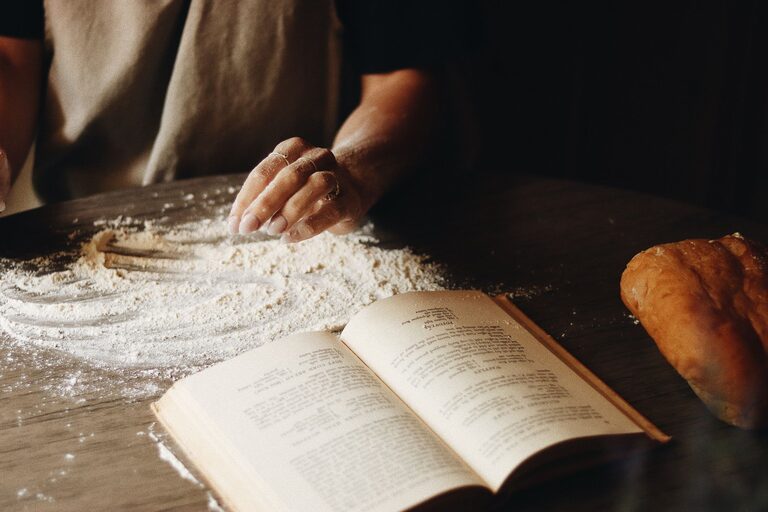
Food can tell a story long before anyone sits down to eat. A recipe may reveal how people adapted to a climate, preserved ingredients, celebrated a holiday, or blended traditions after moving to a new place. Culinary book clubs use this idea to make reading more interactive, pairing books with recipes and exploring the history behind the food.
Instead of discussing a book only through its characters and plot, members might prepare a dish mentioned in the text, research its origins, or compare how it appears in different regions. The result is a reading experience that engages the senses as well as the imagination.
What Is a Culinary Book Club?
A culinary book club is a reading group centered on food-related themes. Some clubs choose cookbooks, while others read novels, memoirs, travel writing, or history books that include meaningful food traditions.
The group may meet in a home, library, restaurant, community center, or online. Meetings often include:
– A discussion of the selected book
– One or more shared recipes
– A short presentation about a food tradition
– A comparison of regional or historical versions of a dish
– A conversation about how food supports the book’s themes
The food does not need to be complicated. A simple soup, loaf of bread, or dessert can provide plenty of opportunities for discussion.
Why Pair Recipes With Food History?
Pairing a recipe with historical context gives members a deeper understanding of what they are eating. It can also show that food is shaped by many factors, including geography, trade, migration, technology, and household habits.
For example, a dish may have changed because an ingredient was unavailable in a particular region. A family might replace one grain with another, use preserved produce during winter, or adjust a recipe to suit local cooking tools. These changes are not mistakes. They are part of the dish’s story.
Food history also encourages readers to look beyond a single “original” version of a recipe. Many popular foods have developed through a mix of influences and adaptations. A book club can explore these layers without treating one version as the only correct one.
Choosing Books With Strong Food Connections
The best selections provide a clear reason to discuss food. A novel may describe family meals, markets, gardens, or celebrations. A memoir may connect recipes to childhood memories or life changes. A history book may focus on agriculture, restaurants, trade, or household cooking.
When choosing a title, book clubs can ask:
– Does food play an important role in the book?
– Are there recipes mentioned or included?
– Can members find enough background information to explore the dishes?
– Is the subject suitable for the group’s interests and cooking experience?
– Are the ingredients easy to find?
A club does not have to choose a book that is specifically about food. A story set in a particular town, time period, or cultural setting may inspire a rich food history discussion.
Building a Recipe Around the Reading
Once a book is selected, members can identify foods that appear in the text. Look for repeated meals, special occasions, local ingredients, or dishes connected to a character’s identity.
The group might select:
- A dish named directly in the book
- A recipe associated with the setting
- A historical food from the period
- A modern adaptation of an older dish
- A simple recipe that reflects a major theme
It can be helpful to choose one main recipe and one optional item. Too many dishes can make meetings difficult to organize, especially when members are cooking in different kitchens.
Members can also divide responsibilities. One person may prepare the main dish, while others bring bread, a salad, a drink, or a dessert. For online meetings, everyone can make the same recipe or share photos and notes about their results.
Researching the Story Behind a Dish
Food history research does not need to be lengthy or academic. A few reliable sources can help members understand how a recipe developed.
Useful places to begin include:
– Cookbooks with historical notes
– Museum and library collections
– University websites
– Cultural organizations
– Regional archives
– Interviews with family or community members
– Reputable food history publications
Members should compare information rather than relying on a single source. Recipes often have several explanations for their origins, and some popular stories may be simplified over time.
A short presentation can cover the dish’s ingredients, region, changing preparation methods, and role in daily life. The goal is not to deliver a formal lecture. It is to give the group enough context to make the meal more meaningful.
Exploring Recipes Across Time
One of the most engaging activities is to compare an older recipe with a modern version. Members might examine differences in ingredients, cooking time, serving size, and equipment.
For example, an earlier recipe may use general instructions such as “cook until done,” while a modern recipe provides exact temperatures and measurements. Older recipes may also rely on ingredients that are now less common or use preparation methods designed for wood-burning stoves.
The group can discuss:
– Which ingredients have stayed the same
– What substitutions have been made
– How kitchen tools changed the process
– Whether the modern version is faster or more accessible
– How the dish’s purpose has changed
This comparison shows that recipes are living documents. They change as technology, availability, taste, and household routines change.
Making Meetings Welcoming and Practical
A culinary book club should make room for different cooking skills, schedules, and dietary needs. Not every member will have the time or equipment to prepare a complex dish.
To keep meetings comfortable:
– Offer a no-cook option when possible
– Share recipes in advance
– Clearly label common allergens
– Invite substitutions without judgment
– Avoid making presentation a competition
– Include nonalcoholic drink choices
– Let members participate through research or discussion instead of cooking
The purpose is shared learning, not perfect results. A recipe that turns out differently can lead to a useful conversation about ingredients, instructions, and adaptation.
Discussion Questions That Connect Food and Books
Good questions help the group move beyond whether a dish tastes good. Consider asking:
– What does food reveal about a character or community?
– How does the setting influence the ingredients?
– Is a meal used to show comfort, celebration, conflict, or change?
– Which food traditions are passed between generations?
– What happens when a recipe moves to a new place?
– Did preparing the dish change your understanding of the book?
– Which details in the recipe reflect the period or region?
These questions connect the sensory experience of eating with the larger themes of the reading.
Creating a Continuing Food History Project
A book club can build a shared archive over time. Members might keep a notebook with recipes, historical notes, photographs, and reflections from each meeting. A digital collection can serve the same purpose.
The group could also create a seasonal reading list, such as:
– Spring: garden traditions and fresh produce
– Summer: picnics, preserves, and regional markets
– Fall: harvest meals and baking
– Winter: holiday foods and preservation
Another option is to invite a local baker, farmer, food writer, or family historian to speak about a particular tradition. These conversations can add personal knowledge while encouraging respectful questions and careful listening.
The Lasting Appeal of Culinary Book Clubs
Culinary book clubs work because they turn reading into a shared experience. A recipe gives members something concrete to discuss, while food history adds context and connection. Together, they show how meals can carry memory, identity, creativity, and change.
Whether the group prepares an elaborate feast or samples one simple dish, the combination of books and food creates an inviting way to learn. Each recipe becomes more than a set of instructions. It becomes a doorway into the people, places, and stories that shaped it.