
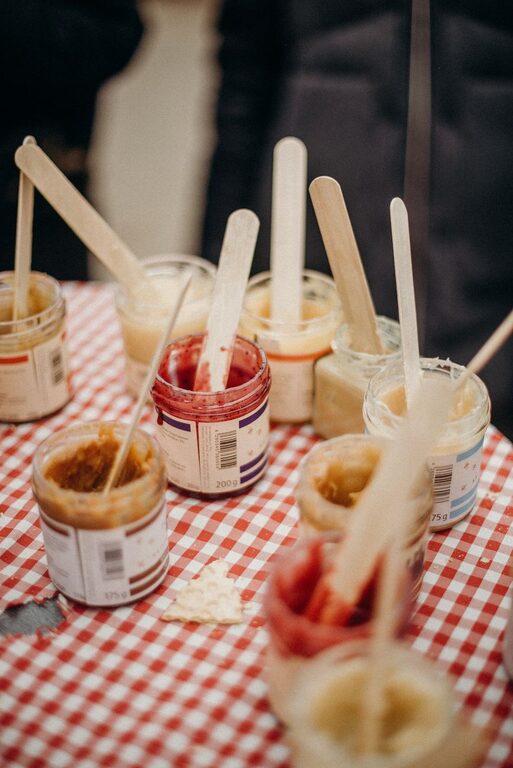
Regional jam competitions bring together home cooks, gardeners, farmers, and food lovers for a shared celebration of flavor and creativity. These events may take place at county fairs, farmers markets, community centers, or harvest festivals. While the jars on display are small, the stories behind them are often rich with family traditions, local ingredients, and personal pride.
At their heart, jam competitions are friendly contests that recognize careful preparation and thoughtful flavor combinations. They also create opportunities for people to meet, exchange ideas, and enjoy the best fruit a region has to offer.
More Than a Contest
A regional jam competition is not only about winning a ribbon. It is also a way to highlight the character of a place. Local fruit, seasonal harvests, and familiar family recipes often shape the entries.
One community may be known for strawberry jam, while another may celebrate blueberry, peach, apple, or blackberry preserves. In some areas, competitors add herbs, spices, citrus, or other ingredients to create distinctive combinations. These variations help tell the story of the local food culture.
The events also welcome a wide range of participants. Experienced makers may enter polished recipes that have been refined over many years, while beginners may submit a first attempt inspired by a backyard harvest. Both approaches add value to the competition.
What Judges Look For
Judges usually assess several qualities when reviewing jam. The exact rules vary by event, but common criteria include:
– Flavor and balance
– Texture and spreadability
– Color and appearance
– Clarity and consistency
– Quality of the ingredients
– Clean and attractive presentation
– Accuracy in labeling and preparation
Flavor is often the most important consideration. A successful jam should let the main fruit shine while maintaining a pleasant balance of sweetness and acidity. Additional ingredients should support the fruit rather than overwhelm it.
Texture matters, too. Some jams are smooth and easy to spread, while others include small pieces of fruit. Neither style is automatically better. The key is consistency with the recipe and the expectations of the category.
Appearance creates the first impression. A jar with a bright, natural color and an even texture can immediately attract attention. Careful filling, clean containers, and clear labels also show that the maker has paid attention to detail.
The Role of Local Ingredients
Many regional competitions encourage participants to use ingredients grown nearby. This focus gives the event a strong connection to the local landscape and growing season.
Fresh fruit picked at the right time can provide a fuller flavor and more appealing color. Gardeners may use produce from their own yards, while others purchase fruit from local farms or markets. The result is a collection of entries that reflects what is available in the area.
Using local ingredients can also encourage people to explore seasonal cooking. A large strawberry harvest may inspire several jars in early summer, while apples, pears, or plums may take center stage later in the year. The competition becomes a record of the region’s changing seasons.
Categories That Encourage Creativity
Many events organize entries into categories so that different styles can be judged fairly. Common categories include:
Classic Fruit Jams
These entries focus on one main fruit and a traditional preparation. They offer a clear comparison of basic technique, flavor, and texture.
Fruit Blends
Combining two or more fruits allows competitors to develop new flavor profiles. Popular pairings may include strawberry and rhubarb, peach and raspberry, or apple and blackberry.
Creative Flavors
This category often includes unusual combinations featuring herbs, spices, citrus, or other ingredients. Creative entries can surprise judges and introduce new ideas to visitors.
Family or Heritage Recipes
Some competitors submit recipes passed down through generations. These entries carry personal meaning and often come with stories about relatives, celebrations, and memorable meals.
Beginner Classes
Beginner categories make the competition more welcoming. They give new makers a chance to participate without feeling that they must match the experience of longtime competitors.
Preparation Takes Patience
A strong entry usually begins well before competition day. Makers need to select quality fruit, follow the event’s guidelines, and plan enough time for preparation.
Many competitors test a recipe in advance. A trial batch can reveal whether the flavor needs adjustment or whether the texture is right for the chosen category. Keeping notes can make it easier to repeat a successful result.
Presentation also deserves attention. Competitors often use clean jars, consistent labels, and simple decorations that do not distract from the product. Some events provide detailed instructions about container sizes, labels, and entry forms, so reviewing the rules early can prevent last-minute problems.
For many participants, preparation is part of the enjoyment. The process encourages careful observation, from choosing ripe fruit to deciding how best to present the finished jars.
A Gathering Place for the Community
The social side of a jam competition may be just as important as the judging. Visitors often come to sample entries, talk with makers, and learn about local produce. Some events include demonstrations, recipe exchanges, children’s activities, or booths from nearby farms and small businesses.
Competitors frequently share tips with one another. A first-time entrant might learn how another maker achieves a smooth texture, while an experienced competitor may discover a new fruit combination. These conversations help preserve practical knowledge and make the event feel collaborative rather than overly competitive.
Community organizations can also use jam competitions to support local causes. Entry fees, tasting events, or jar sales may help fund community programs, gardening projects, or seasonal celebrations.
Preserving Traditions for the Future
Traditional food skills can be easy to overlook in a busy world. Regional jam competitions provide a reason to continue practicing and sharing them.
Older family recipes often survive because someone chooses to enter them, explain them, or teach them to a younger cook. Children and teenagers who attend these events may become curious about gardening, cooking, or local history. Even a simple jar of jam can open the door to a larger conversation about where food comes from and how traditions change over time.
At the same time, competitions leave room for innovation. New makers may experiment with fresh combinations, modern presentation styles, or ingredients that reflect the changing character of the community. This balance between heritage and creativity keeps the tradition lively.
How to Attend or Enter
Anyone interested in participating can begin by checking local fair schedules, farmers market announcements, community newsletters, and extension programs. Before entering, it is helpful to review:
– The competition categories
– Submission deadlines
– Jar and label requirements
– Judging criteria
– Rules for ingredients and preparation
– Tasting or display arrangements
Visitors do not need to be experienced jam makers to enjoy the event. They can sample different styles, speak with competitors, and vote in a people’s choice category if one is offered.
A Small Jar With a Big Story
Regional jam competitions celebrate more than sweetness and color. They recognize patience, creativity, local harvests, and the willingness to share skills with others. Each entry represents a combination of ingredients, effort, and personal history.
Whether a competitor wins a ribbon or simply enjoys taking part, the event strengthens connections among neighbors and encourages appreciation for seasonal food. In a single display of colorful jars, visitors can find a taste of the region, a glimpse of family tradition, and an invitation to gather around the table.