
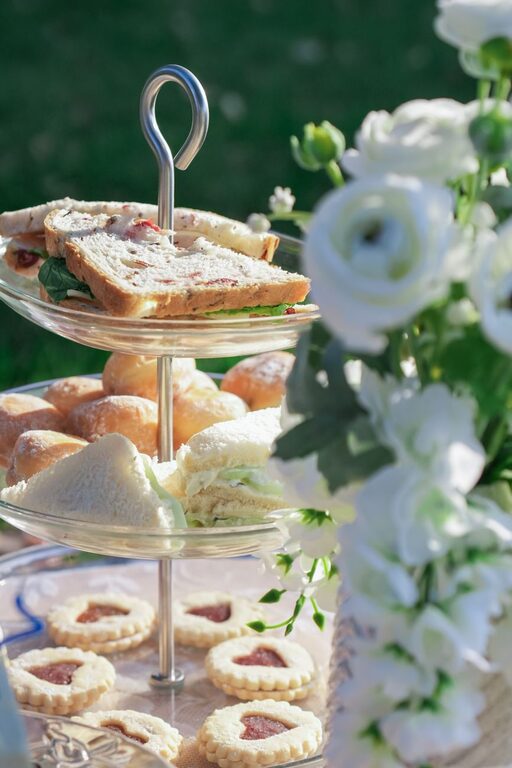
Tea sandwiches are small, elegant bites that bring a sense of occasion to any gathering. They are easy to customize, simple to prepare, and perfect for serving alongside tea, lemonade, or sparkling water. While their size may be modest, beautifully made tea sandwiches can make a memorable impression.
The secret is to balance flavor, texture, and appearance. Soft bread, creamy fillings, crisp vegetables, fresh herbs, and thoughtful decoration can turn a few everyday ingredients into a polished platter.
Start With the Right Bread
Bread is the foundation of every tea sandwich, so choose varieties that are fresh, tender, and easy to slice. Classic options include white, wheat, brioche, sourdough, and rye. For a more colorful presentation, try bread with herbs, seeds, or a light swirl of contrasting colors.
Use bread that is soft enough to bite easily but sturdy enough to hold the filling. Very airy bread may collapse, while dense bread can overpower delicate ingredients.
Bread Tips
– Use bread that is fresh but not warm from the oven.
– Trim the crusts for a traditional, refined look.
– Slice the bread evenly so every sandwich is the same size.
– Keep bread covered with a clean, slightly damp towel while assembling.
– Spread a thin layer of butter, cream cheese, or mayonnaise to help protect the bread from moist fillings.
For the neatest sandwiches, assemble them in pairs before cutting. This helps the edges line up and reduces the chance of uneven shapes.
Build a Balanced Filling
A successful tea sandwich usually includes three parts: a creamy spread, a flavorful main ingredient, and something fresh or crisp. The goal is to create contrast without making the sandwich too heavy.
For example, cucumber becomes more satisfying with softened butter and fresh dill. Egg salad gains brightness from herbs and a little mustard. Smoked salmon pairs well with cream cheese, lemon, and cucumber.
Here are several classic combinations to try:
Cucumber and Herb Cream Cheese
Spread softened cream cheese over slices of white or wheat bread. Add very thin cucumber slices and a sprinkle of dill, chives, or parsley. Pat the cucumber dry first to keep the bread from becoming soggy.
Egg Salad With Chives
Combine chopped hard-boiled eggs with mayonnaise, a small amount of mustard, salt, and pepper. Add finely sliced chives for a mild onion flavor. Keep the texture slightly chunky rather than completely smooth.
Chicken Salad With Grapes
Mix shredded cooked chicken with mayonnaise, chopped celery, and halved grapes. A little parsley adds freshness. Serve this filling on wheat or croissant-style bread for a slightly richer option.
Smoked Salmon and Cucumber
Spread cream cheese on thin slices of rye or white bread. Add smoked salmon, cucumber, and a squeeze of lemon. Garnish with dill or finely grated lemon zest.
Cheddar and Apple
Layer sharp cheddar with thin apple slices and a small amount of honey mustard. This combination offers a pleasant balance of savory, sweet, crisp, and creamy flavors.
Prepare Ingredients Carefully
Small details make a big difference when preparing tea sandwiches. Slice vegetables thinly and evenly so they are easy to bite. Remove excess moisture from cucumbers, tomatoes, and leafy greens with paper towels.
If using lettuce, choose tender leaves and trim away thick ribs. For fillings such as chicken salad or egg salad, avoid adding too much dressing. A filling that is overly wet can quickly soften the bread.
Season each component lightly. Since tea sandwiches are small, even a small amount of salt, pepper, lemon juice, or herbs can have a noticeable effect.
It is also helpful to taste the filling before assembling the sandwiches. Check that it has enough flavor to stand up to the bread, but avoid making it so strong that it overwhelms the other ingredients.
Choose Attractive Shapes
Traditional tea sandwiches are often cut into rectangles, squares, triangles, or small rounds. Using several shapes on one platter creates visual interest without requiring complicated techniques.
A sharp serrated knife works well for cutting sandwiches without crushing the bread. Wipe the blade between cuts to keep the edges clean.
Cookie cutters can also be used to make simple shapes, especially for celebrations. Choose cutters that are small and not overly detailed. Basic circles, flowers, and hearts are usually easier to handle than intricate designs.
For a polished appearance:
– Cut every sandwich to a similar size.
– Arrange fillings so they reach close to the edges.
– Press gently before cutting.
– Use a clean, sharp knife.
– Place sandwiches cut side up when possible.
If you prefer to keep the crusts on, use a decorative bread and cut the sandwiches into small rectangles. This creates a relaxed, modern presentation while still keeping each piece easy to eat.
Add Color and Texture
A beautiful tea sandwich platter should include a variety of colors and textures. Pale fillings look especially appealing when paired with green herbs, red radishes, purple cabbage, or bright fruit.
Fresh garnishes can be simple. A small sprig of dill, a parsley leaf, a thin cucumber ribbon, or a few microgreens can add color without making the sandwiches difficult to serve.
Consider the texture of the entire spread. If most sandwiches are creamy, include a few with crisp vegetables or toasted seeds. If the bread is soft throughout, add fruit, nuts, or a crunchy salad to the larger menu.
Avoid adding decorations that are difficult to eat or likely to fall off. The best garnishes improve the appearance while remaining practical for guests.
Plan the Platter
Presentation is part of the experience. Use a large serving tray, wooden board, or tiered stand, depending on the style of your gathering. Arrange sandwiches in small groups, alternating shapes and fillings.
You can organize the platter by flavor or mix everything together. Grouping similar sandwiches makes it easier for guests to choose, while a mixed arrangement creates a more colorful display.
Leave enough space between pieces so guests can pick them up easily. Add small labels if you are serving sandwiches with common allergens or want guests to identify each flavor.
For an extra welcoming touch, place a bowl of fresh fruit, a small dish of pickles, or a few crackers beside the sandwiches. Keep the supporting foods simple so the tea sandwiches remain the main attraction.
Make Them Ahead Without Losing Freshness
Tea sandwiches are best served fresh, but many can be prepared in advance. Assemble them a few hours before serving, then arrange them in a single layer or stack them carefully in a covered container.
Place parchment paper between layers if needed. Cover the sandwiches tightly to prevent the bread from drying out, and refrigerate them until shortly before serving.
Avoid preparing sandwiches too far ahead when they contain very moist ingredients. For those varieties, prepare the fillings and slice the bread in advance, then assemble them closer to serving time.
Let chilled sandwiches sit for a few minutes before serving. This allows the flavors to become more noticeable without making the bread feel cold or firm.
Create a Thoughtful Afternoon Spread
Tea sandwiches pair beautifully with scones, small pastries, fresh fruit, and a selection of teas. Offer a mix of caffeine-free and traditional options so guests can choose what they enjoy.
Aim for variety rather than quantity. Three or four sandwich flavors are usually enough for a small gathering, especially when served with other foods. Include at least one vegetarian option and a combination of familiar and unexpected flavors.
Most importantly, enjoy the process. Tea sandwiches do not need complicated ingredients or advanced cooking skills. With fresh bread, balanced fillings, careful slicing, and a little attention to presentation, you can create a graceful spread that makes any afternoon feel special.