
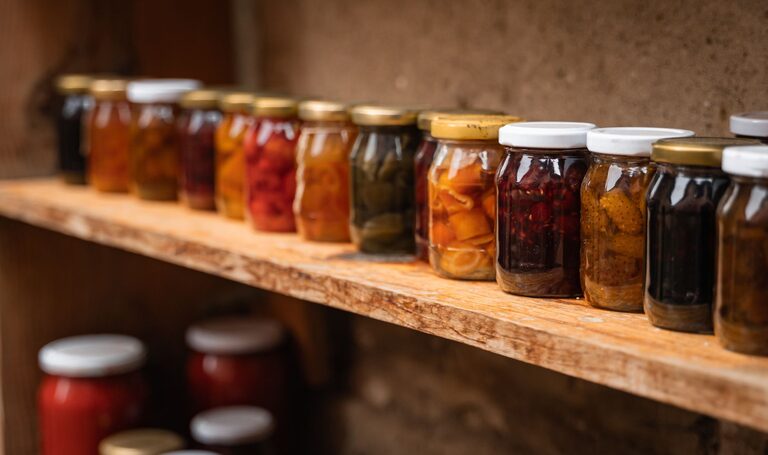
For many people, canning begins with a memory: a grandparent labeling jars of peaches, a neighbor sharing homemade pickles, or a family gathering around a kitchen table during harvest season. Today, local canning clubs are bringing those traditions back in a welcoming, practical way.
These clubs give people a place to learn preserving skills, exchange ideas, and build friendships. Some meet in community kitchens, while others gather at libraries, schools, farmers markets, or members’ homes. Their shared goal is simple: make traditional food preservation easier to understand and more accessible to people of all ages.
What Is a Local Canning Club?
A canning club is a group of people who meet to learn, practice, and discuss food preservation. Activities may include:
– Demonstrations led by experienced home canners
– Group canning sessions
– Recipe exchanges
– Gardening and harvest planning
– Labeling and storage workshops
– Seasonal tastings
– Discussions about jars, tools, and equipment
Clubs vary widely. Some focus on classic recipes such as jams, jellies, pickles, and fruit sauces. Others explore drying, freezing, fermentation, or preserving locally grown foods.
The most successful groups usually welcome beginners and experienced members alike. A new member may attend to learn how to prepare a first batch of jam, while a longtime canner may enjoy sharing a family recipe or discovering a new technique.
Why Canning Clubs Are Growing
Several changes have helped renew interest in home preserving. More people are growing vegetables, shopping at farmers markets, and looking for ways to reduce food waste. Others are interested in learning practical skills that connect them to earlier generations.
Canning clubs also make the learning process less intimidating. Preserving food involves equipment, preparation steps, and timing. Trying to understand everything alone can feel overwhelming. In a group setting, beginners can ask questions, watch a demonstration, and gain confidence before working independently.
There is also a social benefit. Members often form connections that go beyond canning. A club may become a place where neighbors exchange garden advice, share extra produce, or organize seasonal community projects.
Passing Skills to a New Generation
Traditional preserving knowledge was often taught informally within families. However, not everyone grows up with someone nearby who knows how to can. Clubs help fill that gap by creating opportunities for hands-on learning.
Learning by Doing
A demonstration can explain the basic process, but hands-on practice helps people remember each step. Club meetings may allow members to wash produce, prepare jars, measure ingredients, and use equipment under guidance.
Beginners can also see how different foods behave during cooking. A fruit mixture may change texture as it thickens, while pickling liquid requires careful preparation to produce a consistent result. These practical observations are difficult to learn from written instructions alone.
Sharing Family Traditions
Members often bring recipes connected to their families or communities. A batch of berry jam may reflect a local harvest, while a pickle recipe may have been passed down through several generations.
Sharing these recipes helps preserve more than food. It also keeps stories, customs, and regional flavors alive. Clubs may create community cookbooks or recipe collections so that these traditions can be enjoyed by future members.
Making Learning Welcoming
A friendly club does not assume that everyone already knows the terminology or equipment. Members can explain basic tools, demonstrate each stage, and encourage questions without judgment.
Some clubs offer beginner sessions separate from more advanced workshops. Others pair new members with experienced volunteers. These simple approaches can make the difference between someone attending once and becoming a regular participant.
Safety Is Part of the Tradition
Good canning clubs place food safety at the center of every activity. Traditional methods are valuable, but recipes and techniques should be checked against current, reliable guidance.
Important habits include:
– Use clean jars, lids, utensils, and work surfaces.
– Follow tested recipes from trusted educational or extension sources.
– Use the processing method and time recommended for the specific food.
– Do not alter key ingredient amounts without understanding how the change affects safety.
– Inspect jars before storage and label them with the food and date.
– Store finished jars in a cool, dry, dark place.
– When in doubt about a jar’s safety or condition, do not taste it.
The type of food matters. High-acid foods, such as many fruits and properly prepared pickled products, are generally processed differently from low-acid foods. Low-acid foods require special care and equipment. Club leaders should make sure participants understand which method applies and where to find dependable instructions.
Safety discussions do not need to be frightening or complicated. They are simply part of learning how to preserve food responsibly.
Activities That Keep Members Engaged
A club can offer more than a single annual canning day. Regular activities help maintain interest throughout the year.
Seasonal Workshops
Meeting topics can follow the growing season. Spring might focus on equipment and garden planning. Summer can bring fruit preserves and pickles, while autumn may feature apples, tomatoes, or other local harvests.
Produce Exchange Tables
Members can bring extra garden produce to share. This helps prevent waste and gives participants a chance to try ingredients they may not grow themselves.
Equipment Libraries
Canning equipment can be expensive, especially for beginners. Some clubs create lending programs for items such as jar lifters, large pots, food mills, and measuring tools. Clear cleaning and return policies help keep the program organized.
Tasting and Labeling Events
A tasting table allows members to compare recipes and discuss texture, flavor, and presentation. Labeling sessions can turn storage into a creative activity, with members designing simple labels that include the product name and date.
How to Start a Canning Club
Starting a local group does not require a large budget. Begin with a small planning team and identify a suitable meeting space. Community centers, libraries, schools, cooperative extension offices, and shared-use kitchens may offer helpful options.
Next, choose a clear first activity. A beginner-friendly demonstration is often easier to organize than a large group production session. Invite a knowledgeable instructor or experienced home canner, and provide a list of supplies in advance.
It is also helpful to set a regular schedule. A monthly meeting gives members time to plan while keeping the group active. Online communication can be used for reminders, recipe links, and questions between meetings.
A simple club structure might include:
- A short educational presentation
- A demonstration or hands-on activity
- Time for questions
- A recipe or produce exchange
- Information about the next meeting
Building Community One Jar at a Time
Local canning clubs show that traditional skills still have a place in modern life. They help people make better use of seasonal produce, reduce kitchen waste, and learn from one another.
Most importantly, these groups turn preserving into a shared experience. A jar of jam or pickles may begin in one person’s kitchen, but the knowledge behind it can travel through an entire community. By combining careful instruction with friendship and local tradition, canning clubs are helping a new generation discover the satisfaction of making food last.