
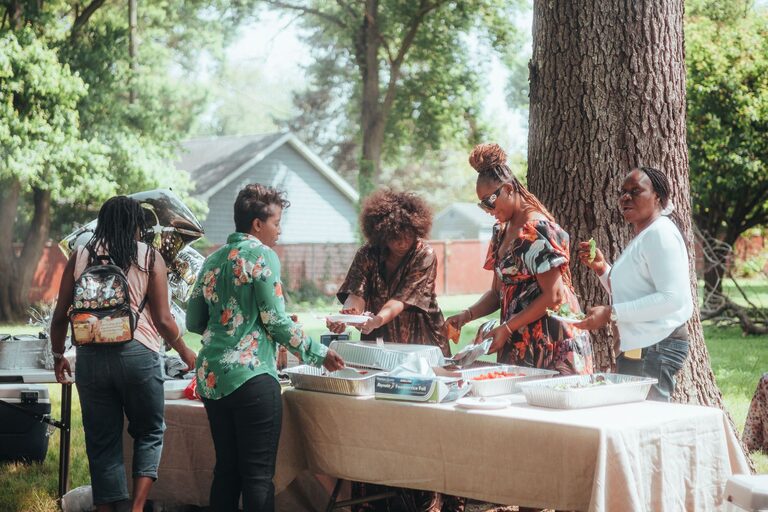
A Fresh Way to Enjoy Food and Friendship
Social hobbies often begin with a simple question: What can we enjoy doing together? Garden to table cooking circles offer an inviting answer. These small groups combine gardening, cooking, and shared meals into one relaxed activity.
Members may grow herbs in a backyard plot, gather vegetables from a community garden, or visit a local farmers market for seasonal ingredients. The group then meets to prepare a meal and enjoy the results together. Each gathering becomes part cooking class, part garden project, and part social event.
Unlike a formal course or competition, a cooking circle focuses on participation. Experienced cooks can share tips, while beginners can learn at a comfortable pace. There is room for different skills, schedules, and food preferences.
What Is a Garden to Table Cooking Circle?
A garden to table cooking circle is a group of people who meet regularly to connect food production with home cooking. The format can be simple or highly organized, depending on the group.
A typical circle may include:
– Planning what to grow or buy
– Sharing seasonal recipes
– Harvesting or selecting ingredients
– Preparing a meal together
– Eating and talking as a group
– Discussing what worked for the next gathering
Some circles meet in a backyard, while others use a community garden, shared kitchen, church hall, or neighborhood gathering space. The goal is not to create a perfect garden or restaurant-style meal. It is to create a welcoming routine around food and friendship.
Why This Hobby Appeals to So Many People
Garden to table cooking circles bring together activities that many people already enjoy. Gardening offers time outdoors and a chance to watch ingredients develop. Cooking provides a creative, hands-on project. Sharing a meal gives the group a natural reason to slow down and connect.
The format also encourages useful learning. Members can exchange ideas about planting, storing fresh produce, preparing unfamiliar vegetables, and adapting recipes. A person who feels unsure about gardening may enjoy choosing recipes, while someone who loves growing food may prefer to lead the harvest.
The shared structure makes it easier to build regular social habits. Rather than meeting only for conversation, members have a practical activity to focus on. This can make gatherings feel more comfortable, especially for people who are new to the group.
How to Start a Cooking Circle
Starting does not require a large space or a long list of participants. A group of four to eight people is often enough for a first gathering.
1. Choose a Simple Format
Decide how often the group will meet and what each gathering will include. A monthly schedule is easy to maintain and works well with seasonal ingredients.
Possible formats include:
– A monthly garden harvest and shared dinner
– A rotating host system
– A recipe club built around one ingredient
– A weekend cooking session followed by a picnic
– A community garden harvest followed by meal preparation
Keep the first event straightforward. A simple format gives the group room to adjust after trying it once or twice.
2. Pick a Seasonal Theme
A theme helps guide both the garden and the menu. It can focus on an ingredient, a type of dish, or a particular time of year.
Examples include:
– Spring herbs and fresh salads
– Summer tomatoes and simple sauces
– Autumn squash and roasted vegetables
– Winter roots, grains, and warming soups
– Fresh berries and easy desserts
A theme does not need to limit the entire menu. It simply gives everyone a starting point for planning.
3. Divide the Responsibilities
Shared responsibility keeps one person from doing all the work. Before each meeting, assign clear roles based on interest and availability.
Useful roles include:
– Garden coordinator
– Ingredient shopper
– Recipe planner
– Kitchen setup helper
– Cooking leader
– Table and cleanup coordinator
Roles can rotate from one gathering to the next. This gives members a chance to try different parts of the process and helps the group remain balanced.
Planning the First Gathering
A successful first meeting should feature recipes with manageable preparation steps. Choose dishes that allow several people to work at once, such as a salad, vegetable dish, grain bowl, soup, or flatbread.
Make a short plan that includes:
– The date, time, and location
– The seasonal theme
– The menu
– Needed ingredients and tools
– Each person’s task
– A rough schedule for cooking and eating
It is helpful to prepare a few ingredients in advance. Washing greens, chopping sturdy vegetables, or measuring dry ingredients before guests arrive can make the gathering feel less rushed.
Choose recipes that use common equipment whenever possible. If a dish requires a specialty tool, confirm that someone can provide it before including the recipe.
Creating an Inclusive Kitchen
A cooking circle works best when everyone can take part, regardless of experience. Avoid assuming that all members are comfortable with the same techniques or tools.
Use clear instructions and explain unfamiliar steps without making them feel complicated. Offer tasks at different skill levels, such as washing produce, mixing ingredients, setting the table, or preparing a more advanced dish.
It is also important to ask about food preferences and ingredient restrictions ahead of time. A shared meal can include several options so that everyone has something to enjoy. Labeling dishes and ingredients can make the table easier to navigate.
Good group habits include:
– Asking before changing someone’s recipe
– Sharing tools rather than keeping them at one station
– Allowing extra time for new cooks
– Giving credit for ideas and contributions
– Keeping conversation friendly and respectful
– Agreeing on cleanup responsibilities before the meal
Making the Garden Part Manageable
A garden to table circle does not need to grow every ingredient. Even a few herbs, salad greens, or container vegetables can provide a meaningful connection between the garden and the table.
Start with plants that match the space and local growing conditions. Containers can work well for patios, balconies, and small yards. A shared garden plot can provide more room for larger crops, but it also requires a clear plan for watering, maintenance, and harvesting.
The group can supplement homegrown ingredients with produce from local markets or neighborhood growers. This keeps the menu flexible and prevents the garden from becoming a source of pressure.
Over time, the group may choose to track what grows well, save favorite recipes, or plan future plantings around popular dishes. These small records can make each season more organized.
Ideas for Keeping the Circle Fresh
Once the group has established a routine, new themes can keep the hobby interesting. Consider adding occasional special gatherings, such as a recipe exchange, herb garden workshop, or seasonal picnic.
Other ideas include:
– Holding a soup swap
– Creating a shared recipe notebook
– Learning basic food preservation techniques
– Hosting a garden tour
– Cooking a meal inspired by a member’s family tradition
– Inviting a local grower or cooking teacher
– Preparing a meal with only a few featured ingredients
– Organizing a seed and plant exchange
The best activities are those that encourage participation without adding unnecessary complexity.
A Hobby With Lasting Appeal
Garden to table cooking circles offer a practical and enjoyable way to build community. They combine creativity, outdoor time, learning, and shared meals in a format that can grow with the group.
Whether the circle meets in a large garden or around a small kitchen table, its value comes from the shared experience. Members plant, prepare, taste, and learn together. With a little planning and an open invitation, a seasonal cooking project can become a lasting social tradition.