
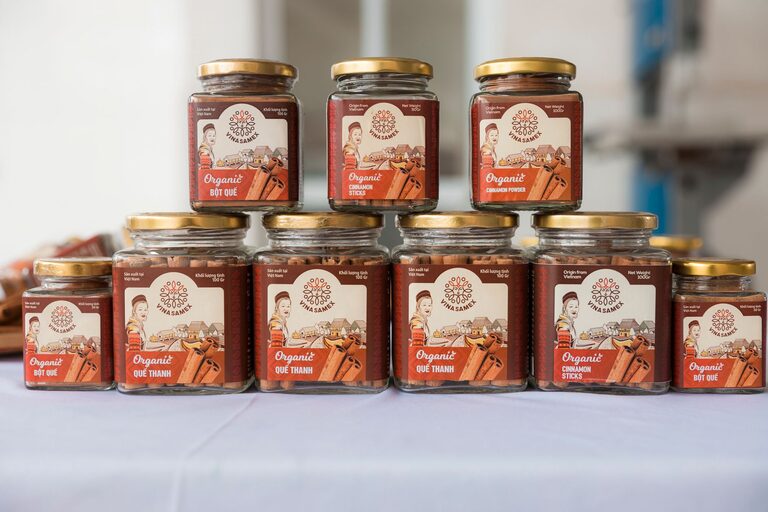
A New Favorite at Weekend Markets
Weekend craft markets have long been places to find handmade pottery, baked goods, candles, and artwork. In recent years, small-batch spice blends have become another popular market discovery.
These blends offer an easy way for shoppers to bring home something useful, flavorful, and personal. Instead of buying a large container of a familiar seasoning, customers can explore carefully mixed combinations made by local producers. A single jar may include herbs, ground spices, dried vegetables, citrus peel, or specialty salts.
The appeal is simple: small-batch blends give everyday cooking a fresh sense of discovery.
What Makes a Spice Blend Small Batch?
“Small batch” generally means that a product is made in limited quantities rather than produced on a large industrial scale. For spice makers, this may involve mixing ingredients by hand, testing recipes in small quantities, and packaging each batch locally.
Small-batch producers often have more flexibility than large brands. They can experiment with seasonal ingredients, adjust recipes based on customer feedback, and create unusual combinations that may not fit on a supermarket shelf.
Many makers also use batch numbers or production dates on their labels. These details help customers understand when a blend was prepared and make the product feel more connected to the person or business behind it.
Why Shoppers Are Drawn to Handmade Blends
A Chance to Try Something New
A market stall can introduce shoppers to flavor combinations they might not think to make at home. A blend could pair smoked paprika with garlic and onion, combine warming spices with dried herbs, or add citrus notes to a traditional seasoning mix.
Customers often enjoy speaking with the maker about how a blend was developed. These conversations can turn a simple purchase into a small food lesson, complete with serving ideas and recipe suggestions.
Useful, Giftable, and Easy to Carry
Spice blends are practical purchases. They take up little space, do not require special equipment, and can be used in many types of cooking. A jar can also make a thoughtful gift for a host, a new homeowner, or someone who enjoys trying new recipes.
Because market blends are often packaged in attractive jars, tins, or paper containers, they can feel special without being overly formal. Many shoppers buy several varieties to create a small gift set.
Supporting Local Makers
Purchasing from a weekend market allows customers to support independent producers directly. The money goes toward a local business instead of passing through several layers of distribution.
Shoppers may also appreciate learning where a maker sources ingredients, how the business began, and what other products are available. This direct connection is one of the main reasons people continue to visit craft markets even when similar products are available online or in stores.
Popular Types of Small-Batch Blends
The variety of products available at markets continues to grow. Some makers focus on familiar seasonings, while others build their businesses around a specific style of cooking.
Common categories include:
– Everyday seasoning blends: Combinations designed for vegetables, eggs, rice, pasta, or roasted potatoes
– Grilling and roasting blends: Mixes that may include smoked spices, garlic, herbs, and pepper
– Herb-forward blends: Light combinations for salads, sauces, beans, and fresh vegetables
– Global-inspired blends: Seasonings influenced by regional cooking traditions around the world
– Breakfast blends: Mixes intended for eggs, potatoes, toast, or savory baked goods
– Sweet spice blends: Combinations used in baking, coffee, oatmeal, or fruit-based desserts
– Salt-free blends: Options made without added salt for shoppers who prefer to season dishes separately
The best makers usually describe the intended uses clearly. A label might suggest adding a blend to roasted vegetables, mixing it into a marinade, or sprinkling it over popcorn.
The Role of Ingredients and Sourcing
Ingredient quality is a major part of the small-batch appeal. Makers may choose whole spices and grind them in limited quantities, helping preserve their aroma and texture. Others may source dried herbs from nearby farms or purchase specialty ingredients from trusted suppliers.
Transparency matters to shoppers. Clear labels can explain the ingredients, net weight, suggested uses, and any relevant allergen information. Customers may also want to know whether a product contains added salt, sugar, preservatives, or common ingredients such as mustard or sesame.
Not every small producer has the same sourcing model. Some may emphasize local ingredients, while others specialize in rare spices that are not grown nearby. Both approaches can be appealing when the maker communicates them clearly.
Packaging as Part of the Experience
Packaging plays an important role in how spice blends stand out at a busy market. Small jars with simple labels can make a product look polished while keeping the focus on the ingredients. Refillable containers, recyclable materials, and reusable tins may also attract shoppers who want to reduce household waste.
Good packaging should be attractive and practical. Labels need to be easy to read, especially when several blends have similar colors or names. Useful information can include:
– The blend name
– A complete ingredient list
– The net quantity
– Suggested uses
– Storage guidance
– The maker’s business name or contact information
– A batch or production date, when applicable
For market shoppers, the label is often the first opportunity to understand what makes a particular blend different.
How Makers Build Their Market Presence
Many spice businesses begin with a small table, a few recipes, and feedback from local customers. Weekend markets provide a low-pressure way to test new products and learn which flavors attract attention.
Makers can observe which jars shoppers pick up, what questions they ask, and which blends they purchase repeatedly. They may then refine the grind, adjust the balance of ingredients, or create new package sizes.
Sampling can also help, where permitted and handled according to local food rules. A small taste or cooking demonstration gives customers a direct idea of how a blend performs in a finished dish. Some sellers pair samples with simple recipe cards, making it easier for shoppers to use the product after they get home.
Tips for Choosing a Market Spice Blend
When browsing a market stall, shoppers can make the most of the experience by asking a few simple questions:
- **What foods work well with this blend?**
Makers can often suggest uses beyond the examples printed on the label.
- **How strong is the flavor?**
Some blends are mild and herb-based, while others feature bold smoke, heat, or earthy notes.
- **Does it contain salt or sugar?**
This information can help shoppers choose a blend that suits their cooking habits.
- **How should it be stored?**
Most dried blends benefit from a cool, dry place away from direct sunlight.
- **What is the best way to use it?**
A maker may recommend adding the blend before cooking, during cooking, or as a finishing seasoning.
A Flavorful Future for Craft Markets
Small-batch spice blends fit naturally into the weekend market environment. They combine creativity, practicality, and personal connection in a compact product. For shoppers, they offer a chance to discover new flavors and support independent makers. For producers, they provide a flexible way to develop a business around cooking and craftsmanship.
As markets continue to evolve, spice blends are likely to remain a popular feature. Their success shows that customers are not only buying ingredients. They are also buying ideas, stories, and inspiration for the next meal.