
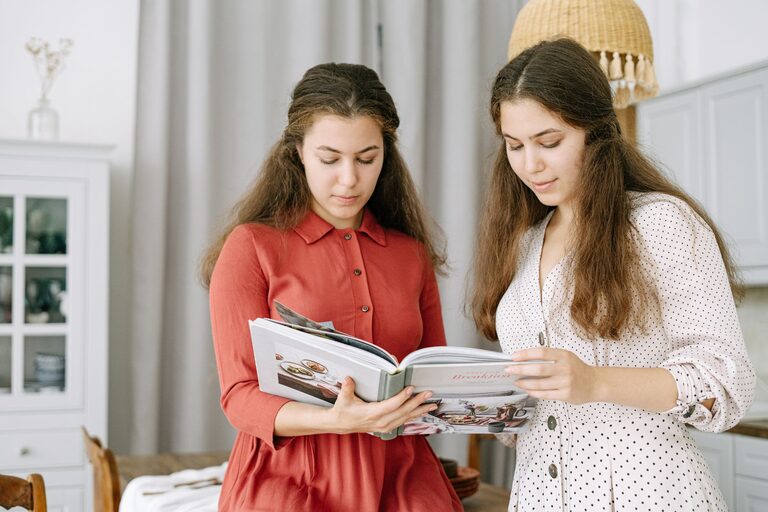
Food has a special way of connecting people across generations. A handwritten recipe can preserve a family tradition, while a shared meal can turn neighbors into friends. Today, many women 65 and older are bringing these ideas together by creating neighborhood cookbooks filled with family recipes, personal stories, and local memories.
These cookbooks are more than collections of instructions. They are community projects that celebrate everyday cooks, cultural traditions, and the people who make a neighborhood feel like home.
Why Neighborhood Cookbooks Matter
A neighborhood cookbook gives residents a chance to share something personal in a welcoming format. Each recipe may reflect a holiday, a family gathering, a garden harvest, or a simple weeknight meal.
For many women, collecting recipes is also a way to preserve knowledge that might otherwise be lost. Older family recipes are often stored in notebooks, recipe boxes, or memory. Writing them down and sharing them helps ensure that future generations can enjoy them.
Neighborhood cookbooks can also:
– Introduce neighbors who may not have met before
– Preserve local and family traditions
– Encourage residents to exchange cooking tips
– Create a keepsake for families and community groups
– Support local events, clubs, or charitable projects
The result is a project that blends creativity, history, and connection.
Starting With a Recipe Collection
The first step is deciding what kind of cookbook the neighborhood would enjoy. Some groups focus on family favorites, while others choose a theme such as seasonal cooking, baking, soups, or meals for gatherings.
A small planning group can make the process easier. The group might include residents who enjoy cooking, writing, photography, design, or organizing information.
Before requesting recipes, the group should agree on a few basic details:
– The cookbook’s theme
– The submission deadline
– The preferred recipe format
– The number of recipes to include
– Whether contributors may add stories or photos
– How copies will be printed or shared
Keeping the plan simple helps people feel comfortable participating. A clear invitation can explain that recipes do not need to be complicated or professionally written. A favorite family dish is enough.
Gathering Recipes and Stories
Recipe collection can happen in several ways. Organizers may distribute printed forms, collect recipes at a neighborhood meeting, or invite people to submit them by email. Some groups also offer short interviews for residents who would rather share a recipe by talking than by writing.
Each submission might include:
– The recipe name
– A list of ingredients
– Step-by-step instructions
– Preparation and cooking times
– Serving information
– The contributor’s name
– A short family or neighborhood story
The story often becomes the most memorable part. A contributor might explain that a cake was made every birthday, that a soup came from a grandparent, or that a dish became popular at annual block gatherings.
These details give the cookbook a warm, personal quality. They also help readers understand how food fits into the lives of the people around them.
Making Recipes Easy to Follow
Family recipes sometimes use phrases such as “a pinch,” “a little,” or “bake until done.” These expressions are familiar to experienced cooks but may be unclear to beginners.
Editors can gently ask contributors for more details, including:
– Approximate measurements
– Pan sizes
– Oven temperatures
– Cooking times
– Visual signs that the food is ready
– Possible substitutions
The goal is not to change the character of a recipe. It is to make the instructions useful for a wider audience while preserving the contributor’s voice.
It is also helpful to test a selection of recipes before publication. Volunteers can prepare the dishes and note any missing steps or unclear measurements. This process can be friendly and collaborative rather than formal.
Organizing the Cookbook
A clear structure makes the finished book easier to use. Recipes can be arranged by category, such as:
- Appetizers and snacks
- Soups and salads
- Main dishes
- Side dishes
- Breads and baked goods
- Desserts
- Drinks and preserves
Another option is to organize recipes by contributor, street, building, or family. Some cookbooks combine both approaches by using food categories and adding a contributor index at the end.
A welcoming introduction can explain how the project began and thank everyone who participated. A table of contents, recipe index, and list of contributors are also useful additions.
Adding Visual Memories
Photos can make a neighborhood cookbook feel like a family album. Contributors may submit pictures of finished dishes, old kitchens, garden harvests, community dinners, or handwritten recipe cards.
Not every recipe needs a photo. A few well-chosen images can add variety without making the project too difficult or costly.
When using personal photographs, organizers should confirm that the contributor has permission to share them. Captions can identify the people, place, or occasion shown in the image.
Simple design choices also improve readability. Large, clear type, consistent headings, and enough white space can make the cookbook comfortable for people of all ages to read.
Choosing a Publishing Method
Neighborhood groups have several ways to produce their cookbook. A small project might use a local print shop, while another group may create a digital version for sharing online.
Common options include:
– Printed booklets
– Spiral-bound cookbooks
– Professionally bound books
– Downloadable digital files
– A combination of print and digital formats
The best choice depends on the group’s budget, timeline, and audience. Printing a limited number of copies can help the group learn what works before ordering more.
Some neighborhoods hold a cookbook launch event with a potluck, recipe tasting, or informal gathering. Contributors can meet, share stories, and see the finished project together.
Keeping the Project Inclusive
A successful cookbook welcomes many types of cooks. Not everyone has the same kitchen tools, food preferences, or cooking experience. The project can include simple recipes, family specialties, no-bake treats, and dishes that use common ingredients.
Organizers should avoid ranking recipes or suggesting that one cooking style is better than another. The strength of a neighborhood cookbook comes from its variety.
It is also important to ask contributors how they want their names and stories presented. Some may enjoy including a full family history, while others may prefer a brief note.
Passing the Tradition Forward
Women 65 and older often bring years of cooking experience, but the cookbook project can involve residents of every age. Children and grandchildren can help scan old recipe cards, type handwritten instructions, take photographs, or design pages.
Younger participants may also contribute their own recipes. This creates an exchange in which older and newer cooking traditions appear side by side.
Over time, the cookbook can become an ongoing neighborhood tradition. A group might add new recipes every few years, create seasonal editions, or host regular cooking events inspired by the collection.
A Lasting Community Keepsake
Turning family recipes into a neighborhood cookbook is a practical and meaningful way to preserve memories. It gives women 65 and older a chance to share knowledge, creativity, and stories while inviting others to take part.
The finished book may begin with recipes, but its value reaches further. It records the people, gatherings, and traditions that shape a community. Long after the last page is printed, the cookbook can continue bringing neighbors together—one recipe and one story at a time.